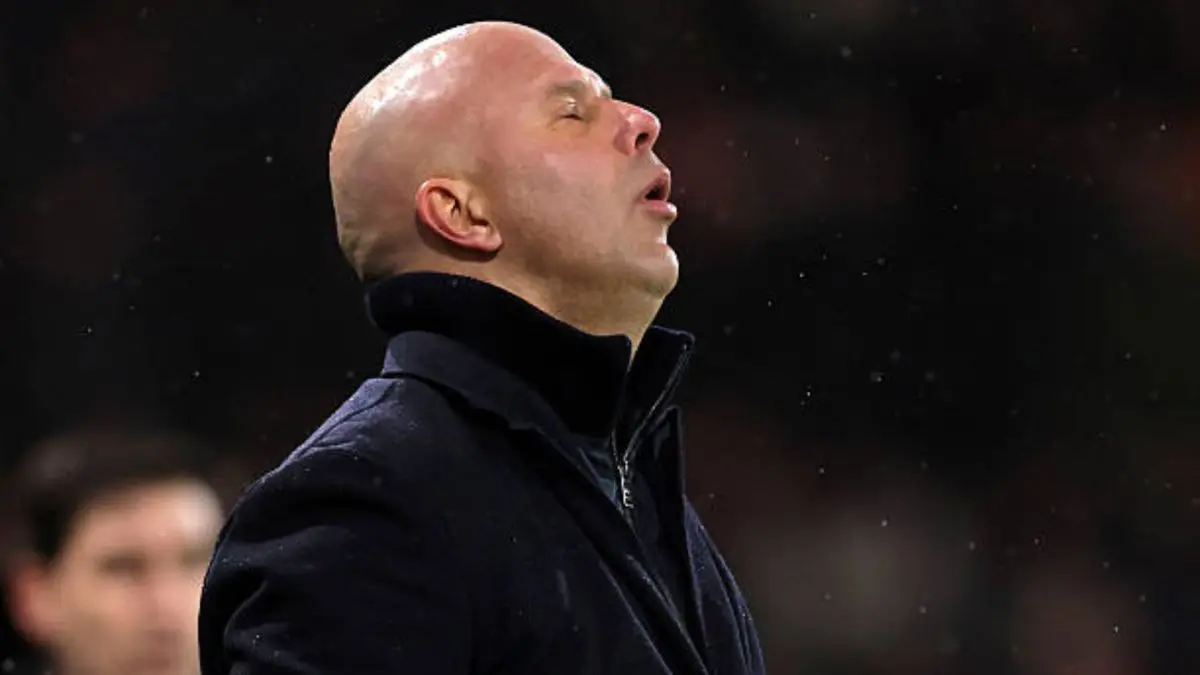
Thomas Frank’s tenure at Tottenham appears to be reaching its breaking point, with relegation no longer a distant fear but a genuine concern. Spurs currently sit 15th in the Premier League, just six points above the drop zone, and remain winless in eight domestic matches in 2026. With difficult fixtures against Newcastle and Arsenal looming—two opponents Tottenham have struggled against in recent seasons—the lack of urgency or visible alarm around the club is striking, despite the very real risk of a disastrous campaign.
For a second consecutive season, Spurs are drifting toward the bottom half of the table. They narrowly avoided relegation in 2024–25 largely because the promoted sides were well below Premier League standard, but the league has since become far more competitive. Tottenham’s decline is stark: seven years on from reaching their first Champions League final and barely months removed from Europa League success, the club has slid from relative stability into chaos.
The problems are deep-rooted, but the spotlight inevitably falls on the dugout. Statistically, Frank’s reign has been alarming. Since 2010, no manager of a so-called ‘big six’ club who has overseen 10 or more matches has recorded a worse win percentage or points-per-game return. His average of 1.16 points per game—29 points from 25 matches—compares unfavourably to short-lived and widely criticised spells by managers such as Graham Potter, Roy Hodgson, and even Nuno Espírito Santo.
Frank’s appointment was initially framed as a careful, data-driven decision, with club executives highlighting his player development credentials and leadership profile. At the time, the move from Brentford was viewed as sensible, if uninspiring. In hindsight, that optimism has aged badly, with Tottenham seemingly clinging to outdated justifications as results and performances continue to deteriorate.
At Brentford, Frank thrived in a low-pressure environment, earning admiration for his calm demeanour and structured approach. At Tottenham, that same temperament has failed to translate. Early missteps in media handling, repeated praise of rivals, and a growing disconnect with supporters have only intensified scrutiny. Fan unrest has grown steadily since heavy defeats to domestic rivals, with boos now a regular soundtrack at away matches and chants openly calling for his dismissal.
On the pitch, Spurs lack both identity and conviction. Frank’s preference for controlled, counter-attacking football has not produced consistency, nor has it suited a club expected to dominate games. Tottenham struggle to control midfield, remain defensively vulnerable, and often look confused in possession. Injuries to key creators have compounded the issue, but the broader problems—tactical uncertainty, ineffective recruitment, and a loss of confidence—run much deeper.
As things stand, Tottenham are a club drifting without direction. The warning signs are clear, the numbers are damning, and the margin for error is shrinking fast. Without decisive, wide-ranging change, this season threatens to mark one of the most damaging chapters in the club’s modern history.